
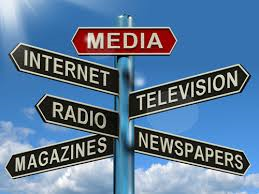
 Attended an interesting conference today produced by the Human Service Forum. The last session of the day offered a panel of local/regional members of the media, and they shared some illuminating thoughts, which I’ll pass on to you. We heard from a regional news magazine, network television station, radio station, and local weekly and daily news representatives. Some of what they had to say echoes the thoughts provided in my earlier post, on press releases.
In addition, just a few underscores that are really helpful. For those sending press releases, announcements, and even photos, by way of pushing content to the media:
- Find out what your chosen media outlet wants to report on before you send releases, and tailor them to both the style and the type of content they are seeking. Many news outlets have had to cut back on reporters in this recession, and they do welcome articles that are well written, in their style (safe to use AP style), without a lot of gimmicky formatting. Keep it simple and information based.
- Interesting nugget from one news representative: reporters are often (most often) not in the office, and functioning virtually via mobile devices. If you are sending a press release, it may be optimal to copy and paste it into your email. Sending the release as an attachment just means the reporter has to have the capability of opening whatever format your file takes – and they may not be able to do it.
- Keep your news timely and, if you can, tie it to current events. Most panelists said they receive at least 100 press releases a day. And while they are happy to get them, they won’t use all of them.
- Photos are OK, even good, to send. But if you are going to send a photo, don’t send one that is substandard. It needs to be clear, and focused (not blurry), feature no more than 3 people in the photo (more is too many to distinguish in print), and carry the names of those pictured. 200 DPI jpegs, captioned, are best for the newspapers.
Relationships Matter.
Of particular interest to me was some discussion about establishing yourself as a source for the news media. Releases about your work and events are great, but to create a relationship where you become a trusted source, you should consider your role as a subject matter expert. One voice today spoke about creating a mindful strategy, where a nonprofit organization identifies those subject areas where they have real expertise; and then creates a media plan including monthly “news” releases sent to their targeted media connections that don’t necessarily have self interest in mind. This begins to build an identity for you that says you are go-to source for expertise on a given topic (for instance, in my industry, education). If you do this, do your homework first. Your monthly “news” should attend to current events and strive to actually be helpful to reporters.
Once you have begun to be viewed as a go to source that can be relied upon for perspective, good information, and helpful quotes or interviews, you may be contacted for an interview as news breaks in your space. If this happens, make yourself available. Reporters seeking additional commentary on a story are on a short string – and they have looming deadlines. Take the call, every time, and be available or make your experts available when needed. It will pay off as your relationship with the press becomes less “push” and more “pull”.
 Marketing Swarm: Collaborative Marketing